
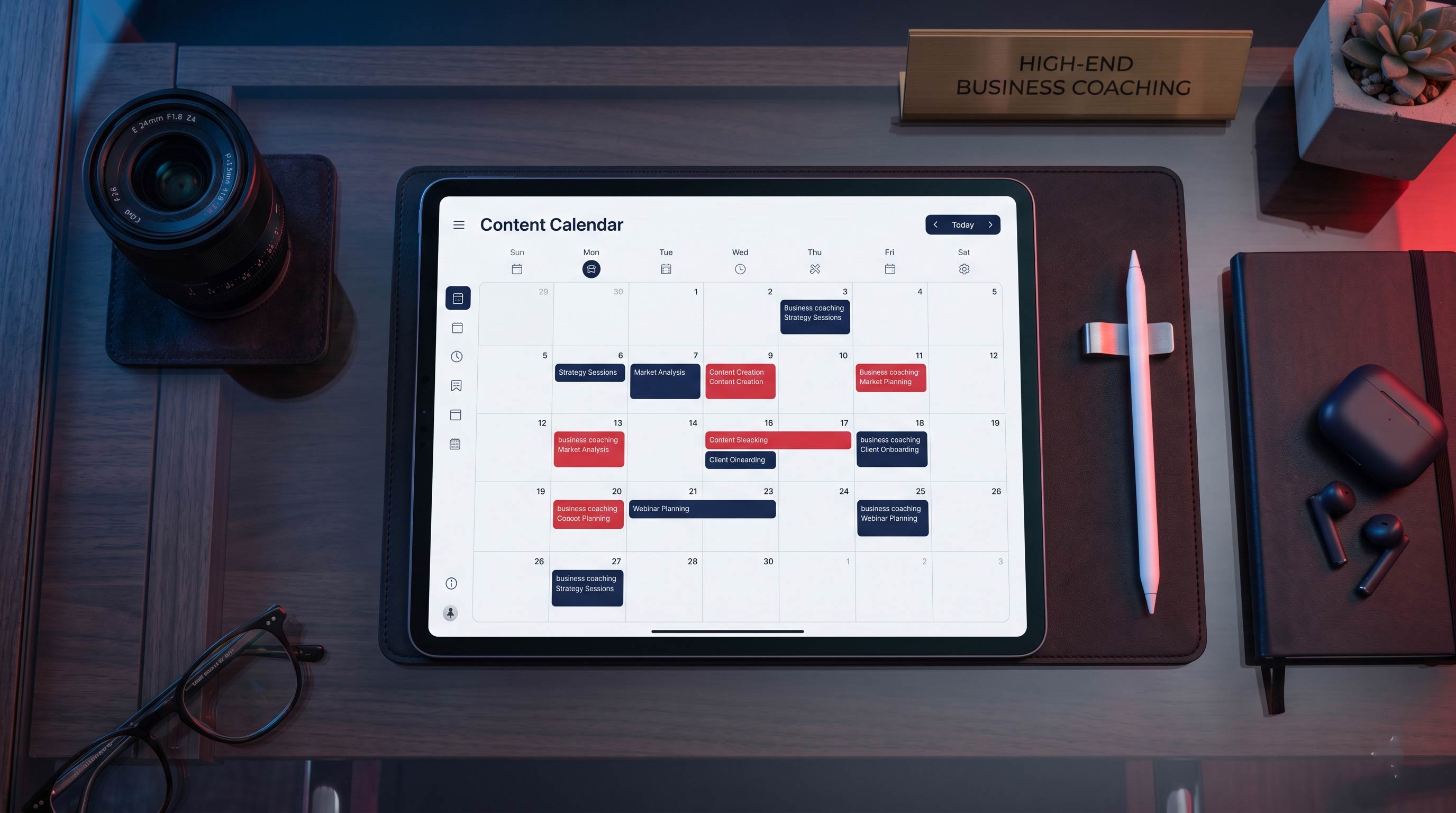
One of the most frequent job postings we see on employment boards these days is for a "Content Creator."
Over the past few months, I've conducted numerous interviews for various client organizations looking for exactly this type of talent. Unfortunately, a common problem persists across most of these interviews: many confuse this role with writing basic product descriptions, copy-pasting articles, or simply knowing how to use Microsoft Office!
Let's dissect this job title. We are dealing with two core concepts: "Creation" and "Content." When we say "creation," it implies bringing something new into existence, not just slightly rewording copied text. And when we say "content," it doesn't just mean text! Content encompasses written words, images, videos, and audio.
In short:
- "Content creation" means producing something new as text, images, video and audio, not rewording or copying.
- Five core skills: real writing, mastery of creation tools (from Adobe to AI), SEO, understanding your team role, and creativity.
- SEO is the biggest resume weakness and the biggest growth opportunity for job seekers.
- For employers: don't hire without a portfolio and a practical test. For job seekers: a simple learning path is below.
If you want to be a highly sought-after content creator in 2026 (or if you are a manager looking to hire one), here is the essential skills checklist you need:
1. Actual Writing Chops!
You must be able to write comprehensive articles across various subjects. Notice the emphasis: you must "write"! You need to capture the brand's tone of voice, understand the art of storytelling, and keep the audience hooked until the very last sentence.
2. Mastering the Creation Toolkit (From Traditional to AI)
Unless a job ad specifies a narrow focus, you need to be a digital Swiss Army knife. Beyond basic familiarity with Photoshop or Premiere Pro, today's creator must master modern platforms. You should be able to design quick, engaging social media graphics using tools like Canva. Given the immense importance of video marketing, you must be capable of producing compelling videos using archival footage, original shots, or AI video generators. In fact, Prompt Engineering for AI tools is no longer optional; it is mandatory.
3. SEO: The Biggest Resume Weakness
In many interviews, when I ask about SEO, candidates either don't know what it is or have only vaguely heard of it. A piece of content that isn't optimized for search engines is like a beautiful billboard in the middle of a dark desert. As a content creator, you must have a solid grasp of On-page SEO, keyword integration, proper tagging, and structural web writing.
4. Understanding Your Team Role (You Are Not the Strategist!)
Remember, you are the "execution expert." This means the Digital Marketing Manager or Strategist builds the roadmap and dictates what content needs to be produced and at what quality level. Different businesses have different policies (for instance, B2B vs. B2C drastically changes the tone). These tasks are assigned to you by the marketing leadership, and your art lies in executing and bringing that vision to life flawlessly. (I explain the exact difference between these roles in why you need a consultant, not just an executor.)
5. Creativity: The Engine of Virality
Creativity is the foundational requirement of this job. It is creative content that gets shared, forwarded, and ultimately goes viral.
Essential or Nice-to-Have? A Simple Breakdown
- Essential (a resume without these gets rejected): real writing with no copying, basic on-page SEO, ability to follow a brand's tone, on-time delivery.
- Nice-to-have (sets you apart): simple video editing, graphic design with Canva, working with AI tools, familiarity with analytics (for example, reading a Google Analytics report).
- "Later" skills: content strategy and high-level planning; these are the growth path toward a digital marketing manager role, not an entry requirement.
If You're a Job Seeker: A Simple Learning Path
- Build a real portfolio: even for a hypothetical or personal business: three articles, a few graphic posts, one short video.
- Learn on-page SEO: keyword research, heading structure, meta descriptions and internal linking.
- Learn one image tool and one video tool: Canva and a simple editing app are enough to start.
- Work with AI, but edit the output: raw AI text isn't a portfolio piece.
Curious how your skill mix affects your pay? Try the digital marketing salary calculator.
If You're an Employer: How to Tell a Real Creator from a Copy-Paster
- Ask for a portfolio, not just a resume.
- Give a short practical test (for example, a 400-word article on a specific topic).
- Ask about SEO; a vague answer tells you a lot. Find ready-made questions in the digital marketing interview questions.
- Write your ad properly so the right resumes arrive: common mistakes in digital marketing job ads.
The Bottom Line:
If your experience so far has been strictly in text-based content or journalism, I highly recommend starting courses in graphic design tools, video editing, and generative AI. Broadening these skills will dramatically increase your creative output and your market value.
Frequently Asked Questions
What does a content creator actually do?
They produce text, image, video or audio content following the strategy and roadmap set by the digital marketing manager or consultant.
Does translating articles count as content creation?
No. Translation moves existing content into another language; "creation" means making something new.
What's the most important content creator skill in 2026?
Real writing and SEO fundamentals are the base; mastery of visual/video tools and AI is the biggest differentiator in today's market.
Can I create content with AI?
Yes, as long as the output is edited, personalized, and aligned with your brand voice and real audience needs. Raw, unedited AI text is usually generic and repetitive.