
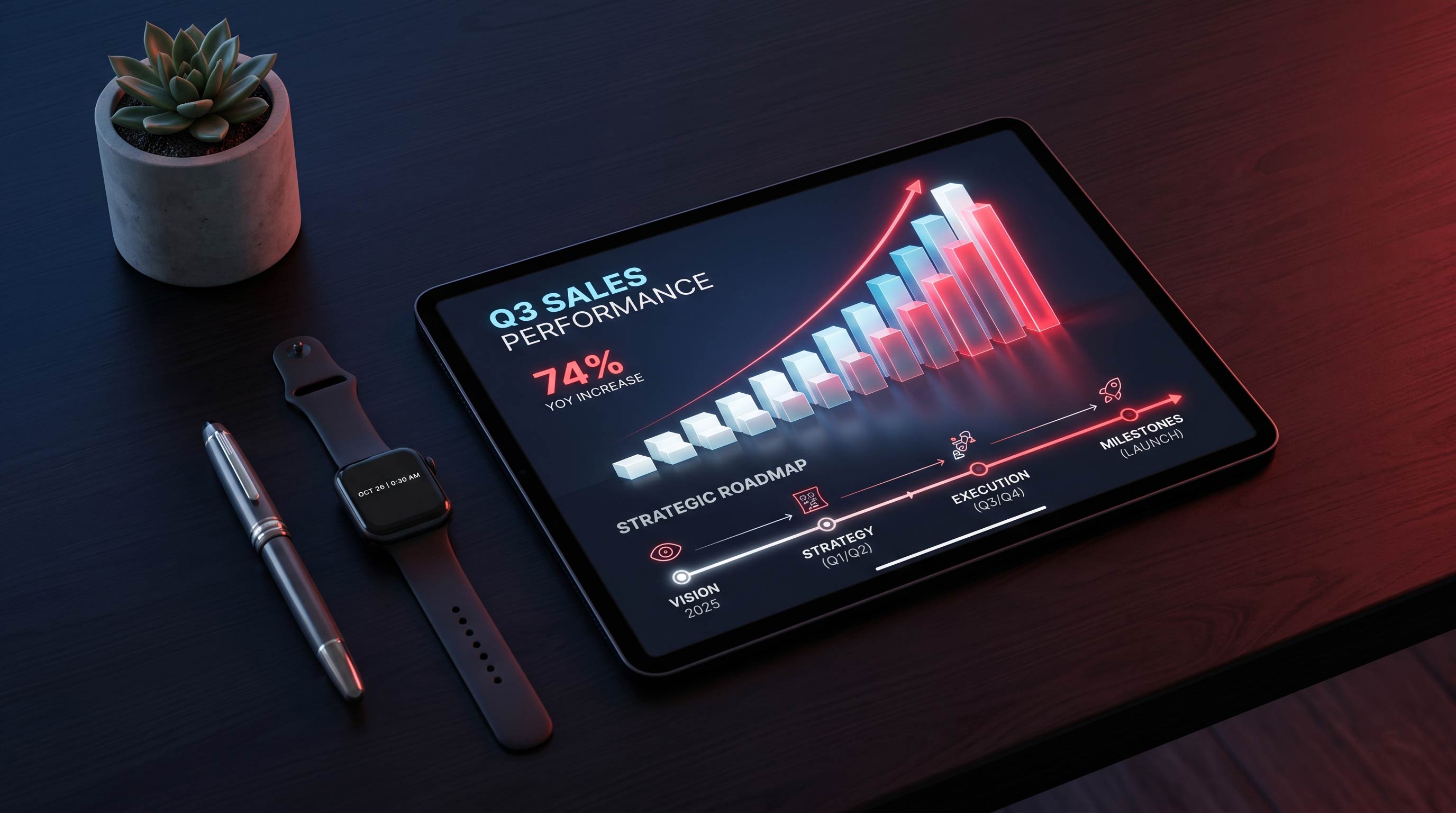
In specialized workshops and consulting sessions with business executives, I always hear a common, rather impatient request: "We built a website and an Instagram page, so why haven't our sales multiplied?!"
The reality is that in 2026, having an online presence is no longer a "competitive advantage"—it is a "requirement for survival." The era when you could conquer the market by printing catalogs, sending blind bulk SMS, and using traditional methods is long gone. However, entering the world of digital marketing without a "Roadmap" is exactly like jumping into the ocean without knowing how to swim; you thrash around, but ultimately, you drown.
In short:
- A website and an Instagram page are "presence," not "strategy"; sales come from a roadmap.
- A B2B roadmap and a B2C roadmap are completely different, and a tool that works miracles for one burns budget for the other.
- Digital marketing brings the customer "to the checkout"; keeping the sale depends on product quality and support.
- A simple roadmap has five steps, outlined below.
Why Do We Need a Roadmap?
To increase sales, all businesses eventually follow a general path: the first and most crucial step is having a dynamic, fast, and SEO-optimized website. But from here on, the side roads begin. This is where the presence of a digital marketing consultant becomes vital to map out this journey.
The marketing strategy for a B2B (business-to-business) enterprise is worlds apart from a B2C (business-to-consumer) company. A tool that works miracles for one industry might just be a waste of budget for another.
A Concrete Example of Wasting Budget:
Imagine a newly launched local cafe whose marketing team starts sending promotional emails or heavily engaging on LinkedIn! The chances of attracting the general public this way are practically zero. This cafe needs Local SEO, video campaigns on Instagram, and collaborations with local influencers.
Conversely, a corporate catering company aiming to sign contracts with large organizations will lose if it only posts food photos on Instagram. This company's roadmap involves launching a powerful corporate website, creating principled content, designing corporate packages, and then targeting HR managers through Email Marketing and LinkedIn.
Quick Comparison: B2B vs. B2C Roadmaps
- B2B (selling to organizations): Longer sales cycles, multiple decision-makers, credibility and track record matter more than price. Common channels: a strong corporate website, expert content, LinkedIn, email marketing.
- B2C (selling to consumers): Faster, more emotional decisions, tougher competition on price and experience. Common channels: Instagram and video, local or product SEO, targeted ads, influencers.
- Mixed model: If you serve both audiences, design a separate funnel for each instead of one message for everyone.
A Simple Roadmap in 5 Steps
- Define the goal and the audience precisely: "Increase sales" isn't a goal; "20 new contracts a month from HR managers" is.
- Prepare the infrastructure: A fast, SEO-ready website, measurement tools (such as Google Analytics), and a simple way for customers to reach you.
- Choose channels based on your business model: Not on what a competitor or an agency happens to suggest.
- Design the conversion path: From first contact to purchase, find and fix every point where a customer might drop off. (If you have traffic but no sales, this article is exactly about that problem.)
- Measure and adjust: Review customer acquisition cost, conversion rate and real sales for each channel monthly, and move budget to the channels that actually work.
If you're not sure which step is your bottleneck, the free Growth Bottleneck Diagnostic gives you a first read in 2 minutes.
The Double-Edged Sword of Cyberspace (The Bitter Truth of Sales)
Let me tell you an important principle as a business coach: all targeted digital marketing activities, content strategies, and advertising campaigns only do one thing: they bring the customer to the checkout counter.
But sustaining this status and continuing your sales growth depends on one vital factor: the quality of your goods, services, and staff behavior.
Even if you hire the best digital marketing team in the world and spend millions on ads every day, if your product quality is low or your support is weak, all your efforts will be in vain.
Cyberspace in 2026 is like a double-edged sword. All it takes is for one dissatisfied customer to share their bad experience on social media, creating a wave of negative (but justified) publicity against you; then, all your branding expenses will go up in smoke.
The Bottom Line:
Entering the digital marketing world without a strategy is gambling with your brand's equity. If you want to experience systematic and sustainable sales, map out your brand's exclusive roadmap before purchasing any tools or hiring any executors. And if you're operating in a volatile market, also read managing digital marketing in a crisis.
Frequently Asked Questions
What exactly is a digital marketing roadmap?
A step-by-step plan that defines which activities, in what priority, on which channels and with what budget, will get you to your sales goal — and how the results will be measured.
Why haven't my sales grown even though I have a website and Instagram?
Because "presence" is not "strategy." Without a clear goal, conversion path and measurement, a website and a page are just storefronts, not sales machines.
Which channel is best for my business?
It depends on your business model (B2B or B2C), your audience and your budget. A good rule: pick the channel where your audience actually makes decisions, not the one that's most popular.
How long does a roadmap take to show results?
It varies by channel: ads respond faster, while SEO and content usually take several months. What matters is measuring the metrics from month one.